By Sam Gao, Founder of Diningprint
Wooden vs Plastic vs PLA Cutlery: The 2026 Disposable Cutlery Comparison
Plastic is being banned. PLA only composts industrially. Wood and bamboo are compliant everywhere and biodegrade without an asterisk. Here's the head-to-head on disposable cutlery materials — and which one B2B buyers should choose in 2026.
- wooden cutlery
- plastic cutlery
- PLA
- bioplastic
- comparison
- compostable
- single-use plastic ban
- sustainability
- B2B
- disposable cutlery
Quick answers from buyers like you
Is wooden cutlery better than plastic?
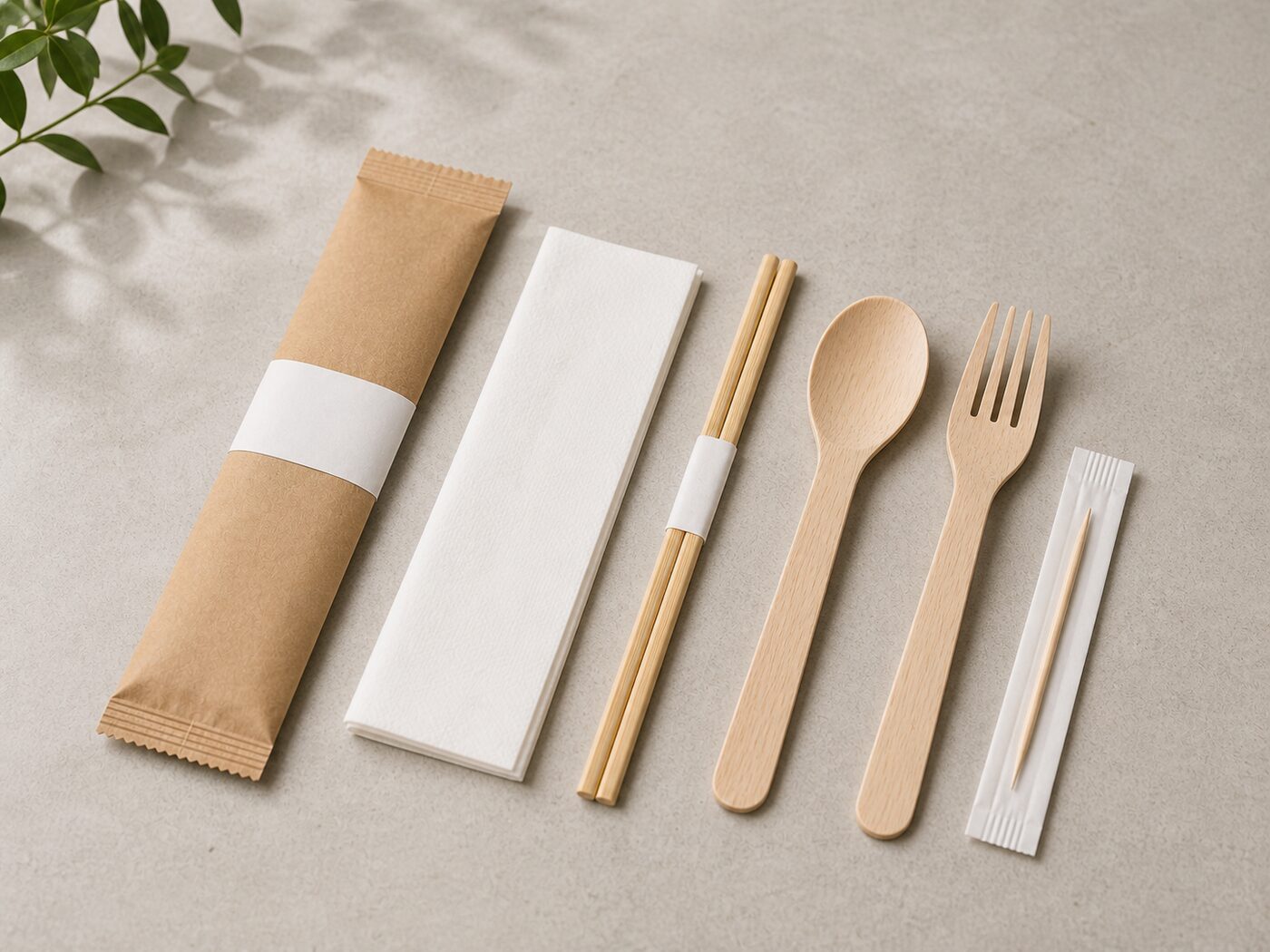
For foodservice in 2026, yes for most buyers. Wooden and bamboo cutlery is compliant with single-use-plastic bans (EU, UK, many US states and Australian jurisdictions), naturally biodegradable without needing an industrial composter, easy to FSC-certify, and easy to brand by hot-stamp or laser engraving. Plastic is cheaper and more rigid but is being banned market by market, so it requires re-sourcing as each ban lands. Wood's only trade-off is slightly less rigidity, which is fine for the large majority of meals.
Is PLA cutlery compostable at home?
No. PLA (a corn-starch bioplastic) is certified compostable only in industrial composting facilities at controlled high temperature, under EN 13432 / ASTM D6400 / BPI. It does not break down in a home compost bin or in landfill, and it can't go in standard plastic recycling. In markets without widespread industrial composting, PLA often behaves like conventional plastic at end-of-life and can contaminate recycling and compost streams. Untreated wood and bamboo, by contrast, biodegrade in both home and industrial compost.
Is plastic cutlery banned?
In a growing number of markets, yes. The EU Single-Use Plastics Directive (2021) and the UK ban (2023) prohibit plastic cutlery in foodservice, and several US states (e.g. California, New York, Washington) and Australian states have introduced their own bans. If you operate in or sell into any of those markets, plastic cutlery is a compliance issue, not just a cost choice — which is why most of the market has shifted to wood, bamboo, or PLA.
What's the difference between PLA and wooden cutlery?
PLA is a bioplastic that looks and feels like plastic (rigid, sometimes clear) and is certified compostable only in industrial facilities. Wooden and bamboo cutlery is a natural material that's biodegradable in both home and industrial compost with no special facility, sturdier in feel, and easier to brand directly (hot-stamp or laser engraving). PLA suits buyers who specifically want a plastic-like or clear product and have access to industrial composting; wood/bamboo gives a simpler end-of-life story and better branding for most buyers.
Does wooden cutlery hold up to hot food?
Yes for the large majority of meals — hot mains, takeout, soups eaten promptly, and desserts. Untreated wood and bamboo tolerate normal serving temperatures well; the only limitation is a very long soak in hot liquid, where wood can soften. Birch is sturdier than aspen, and bamboo is strong and rigid, so choosing the species lets you tune strength. By contrast, PLA warps above roughly 40–50°C, making it less suitable for hot food than wood.
Which disposable cutlery material is easiest to brand with a logo?
Wood and bamboo, by a wide margin. You can hot-stamp metallic foil onto the handle, laser-engrave the logo permanently into the wood, or wrap the set in a printed paper sleeve — all proven, low-cost branding methods. Plastic and PLA are hard to brand directly (limited to mold or pad printing) and are usually branded only via a printed wrapper. If custom branding on the cutlery itself matters, wood or bamboo is the clear choice.
Is bamboo or wood better for disposable cutlery?
Both are compliant, biodegradable, and brandable; the difference is feel and supply. Bamboo is a fast-growing grass with strong rigidity and well-established FSC supply. Birch and aspen are pale hardwoods — birch is sturdier with a smoother finish, aspen is lighter and more economical. For cutlery, bamboo and birch are the common choices for strength; the full species comparison is in our bamboo vs birchwood vs aspen guide.
Should I switch from plastic to wooden or PLA cutlery?
If you sell into or operate in any single-use-plastic-ban market, switch away from plastic. For most buyers, FSC wood or bamboo is the safest target — compliant everywhere, biodegradable without an asterisk, and easy to brand. Choose PLA only if you specifically need a clear, plastic-like product and your market has real industrial composting infrastructure. Order a sample kit of wooden cutlery first to confirm the rigidity meets your use case before committing to volume.
Keep going on related sourcing topics.
Disposable Wooden Cutlery Factory Direct: Bulk Pricing, MOQ & Custom Branding
A factory-direct guide to disposable wooden cutlery: bulk forks, knives, spoons, sporks, kit options, MOQ tiers, custom sleeve branding, samples, and 2026 pricing.
Read article
Best Wood for Chopsticks: Bamboo vs Birch vs Aspen (Buyer's Guide 2026)
A restaurant buyer guide to bamboo, birchwood, and aspen chopsticks: best use cases, cost, MOQ, FSC, print quality, and factory quote paths.
Read article
FSC vs FDA vs BSCI vs BRC: The Certification Stack Every B2B Tableware Buyer Should Demand
FSC covers the paper, not the ink. FDA covers the product, not the factory. BSCI covers the workers, not the food safety. Here's what each certification on disposable tableware actually proves — and the stack you should demand by market.
Read article
9–10 cm Wooden Cutlery: Size & Print Sample Checks for Gelato
Check cup depth, spoon reach, surface finish and print samples before ordering. Compare a branded cup with a plain wooden spoon as an alternative.
Read article
Branded takeout packaging for ghost kitchens.
Custom-printed disposable tableware for ghost kitchens, virtual brands, and delivery-first restaurant groups — branded chopstick sleeves, wooden cutlery kits, and printed paper napkins. Production starts at 20,000 kits for eligible branded configurations, with per-kit pricing on request. The packaging that arrives at the customer's door is your only brand surface — we make it count.
See guide
Biodegradable cutlery kits and custom tableware for event catering.
Custom wooden cutlery kits, branded chopsticks, and printed napkins for event catering, weddings, festivals, stadium foodservice, and corporate dinners. A 3-piece wooden kit (fork + spoon + knife + napkin in a custom sleeve) starts at a 20,000-kit production MOQ and is priced on request. Lead time is 25-30 days plus freight.
See guide
Custom branded coffee shop packaging and cutlery, factory direct.
Plan printed cups, optional cup sleeves, napkins and takeaway bags around your drink and food service. Request each item independently or coordinate a matching set. Confirm specifications, quantities and artwork for each product before production.
See guide