By Sam Gao, Founder of Diningprint
Black Lines & Splits in Bamboo Chopsticks: Causes + Reject Rule
Black lines are not always unsafe. Use this real defect photo and buyer-ready reject rule to separate natural bamboo variation from splits, loose fibers, mold-like staining, and moisture damage.
- bamboo chopsticks
- quality control
- restaurant supply
- custom chopsticks
- takeout packaging
- supplier vetting
- catering supplies
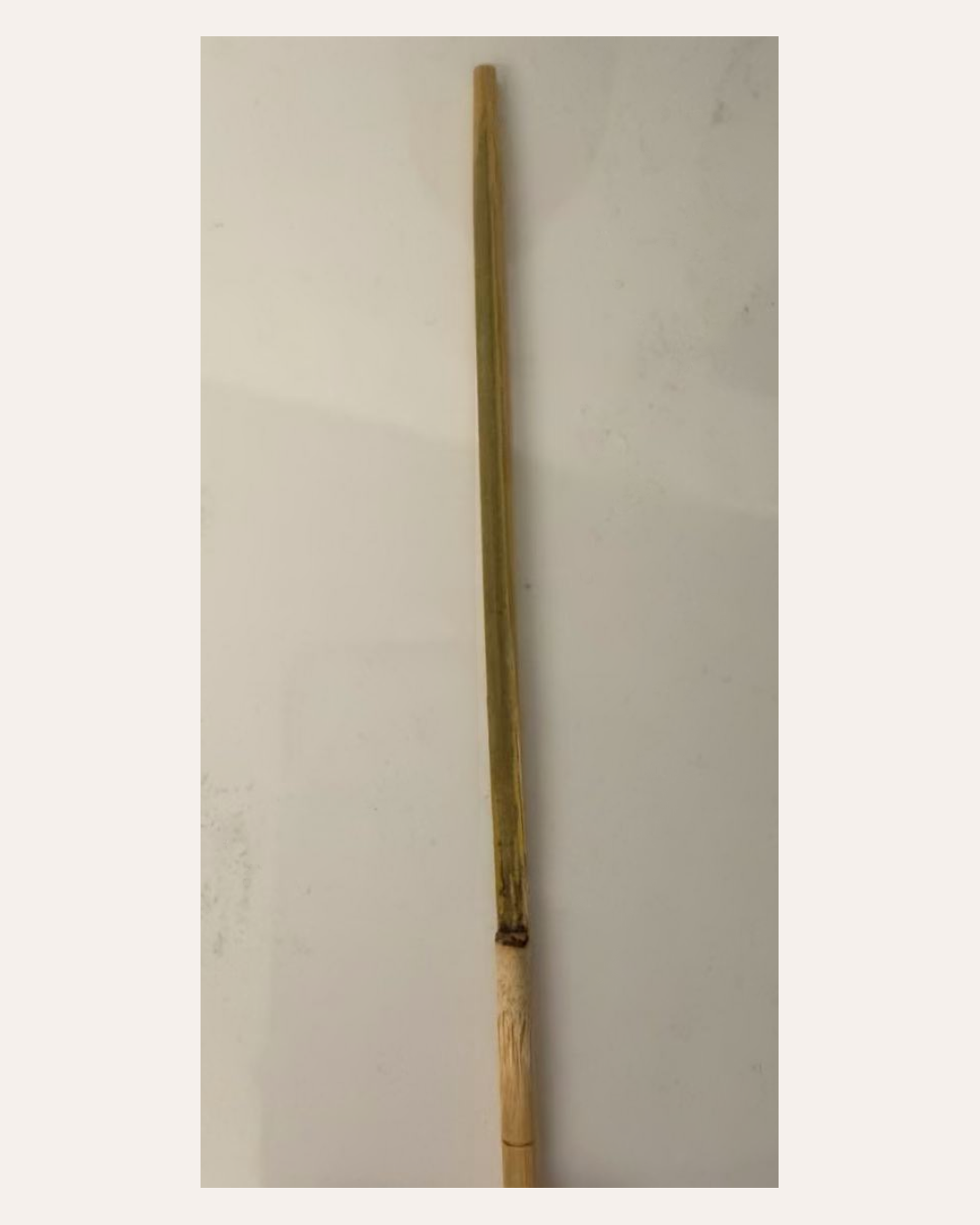
When a disposable chopstick becomes a buyer warning sign
A disposable bamboo chopstick should feel clean, smooth, and predictable when a customer opens a takeout order. If one side shows a dark line, open split, loose fiber, or a rough area that can flake away, treat it as more than a cosmetic defect. For a restaurant, catering company, sushi shop, or Asian takeout brand, the real risk is customer trust: the guest sees the chopstick before the food.
Quick decision rule: a black line is not automatically a safety defect. Accept normal, dry bamboo color variation within an agreed reference range. Reject any chopstick with an open split, loose or shedding fiber, mold-like staining, damp or sour odor, or a dark area that flakes when handled.
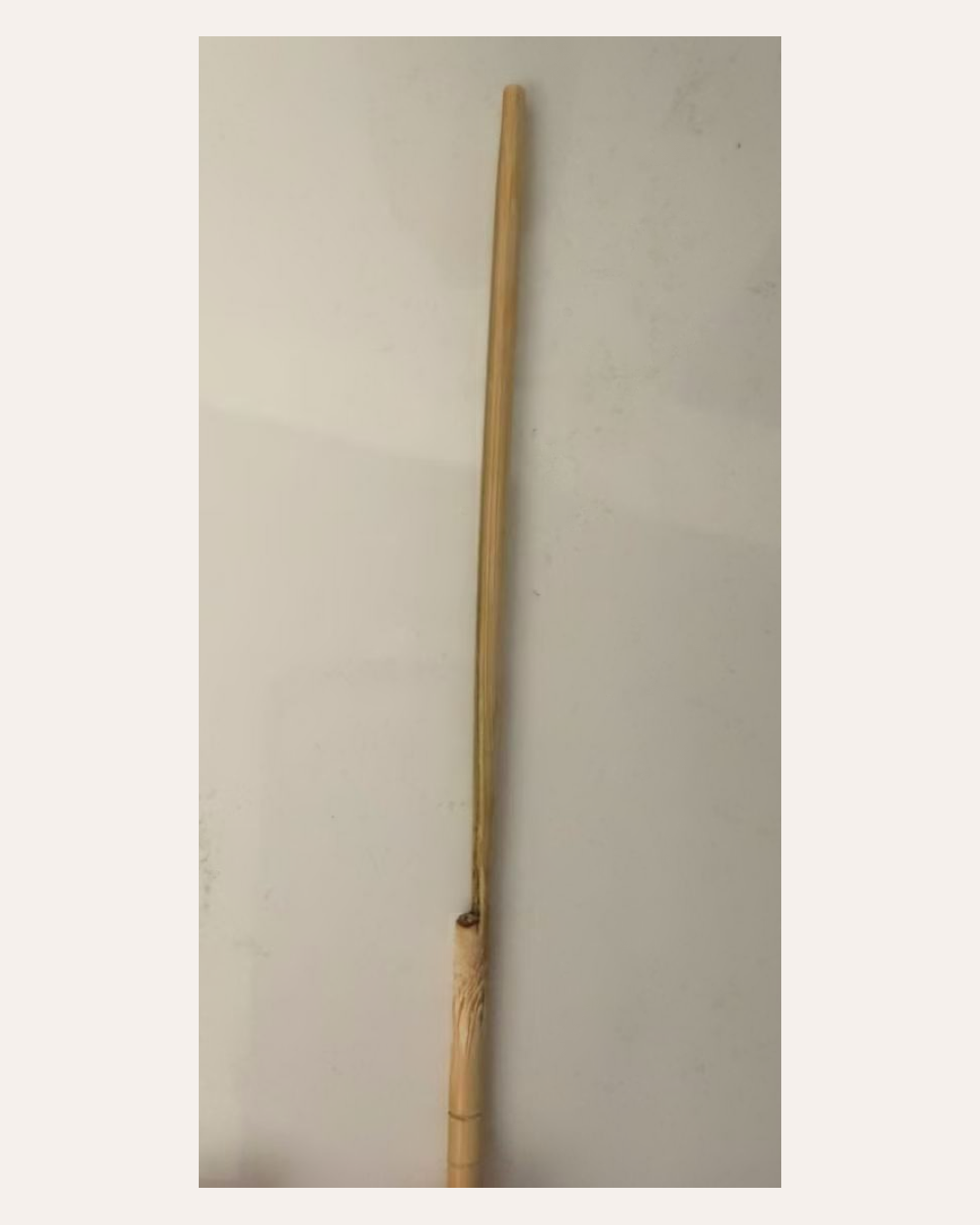
The example below came from a real takeaway order. The background has been cleaned for publishing, but the chopstick itself is left unchanged so the defect is visible. It shows the type of issue buyers should catch during sample approval, pre-shipment inspection, or incoming QC.
What can cause a dark line or split in bamboo chopsticks?
You cannot diagnose the exact cause from one photo. A dark line, split, or collapsing fiber section can come from several points in the bamboo and production chain:
- Local bamboo damage: the culm may have had a weak, injured, stained, or dead fiber area before cutting.
- Uneven drying: moisture differences can create stress, making a weak area open after machining or packing.
- Poor grading: sticks with dark streaks, cracks, worm marks, mold-like staining, or rough fiber should be removed before packing.
- Machining stress: cutting, polishing, or splitting bamboo too aggressively can expose a weak line that was not obvious on the surface.
- Storage or transport moisture: if cartons are exposed to humidity, existing weak spots can darken or open further.
For the buyer, the important question is not "which single cause is it?" The important question is whether the supplier has a rejection rule clear enough to keep pieces like this out of a restaurant order.
How a good supplier should intercept this before shipping
A supplier does not need to promise that natural bamboo will look identical piece by piece. What matters is whether the factory has a clear gate before wrapping and carton packing. For restaurant buyers, ask for the quality rule in writing: how workers reject open splits, black lines, loose fiber, rough tips, wrapper dust, damp odor, and bad seals.
A practical export order should have three controls: moisture control before packing, visual grading before wrapping, and photo-based reject examples attached to the purchase order or inspection note. If a supplier welcomes third-party inspection and can explain its food-contact and factory audit documents, that is a stronger trust signal than a low unit price alone.
Restaurant buyer checklist before a bulk chopstick order
If you are opening a restaurant, building a catering kit, or buying custom chopsticks for a multi-location brand, do not approve only the sleeve artwork. Approve the actual chopstick quality standard as well.
Copy this table into the quality clause of your purchase order, then add approved and rejected reference photos.
| Inspection point | Accept | Reject |
|---|---|---|
| Surface | Smooth, dry, no loose fiber | Open cracks, splinters, rough shedding areas |
| Color | Natural bamboo variation within a defined range | Dark black lines, mold-like spots, green/grey staining, burnt patches |
| Smell | Neutral bamboo or light wood smell | Moldy, sour, chemical, or damp carton smell |
| Shape | Straight enough for normal use; tips aligned | Warping, crushed tips, uneven split, broken bridge |
| Wrapper | Clean seal, readable print, no dust inside | Dust, loose fragments, oil marks, bad sealing |
What to ask your chopstick supplier
Before you compare unit price, ask the supplier how quality is controlled. The answer should be specific enough that your team can repeat it during incoming inspection. Use the broader custom chopstick supplier checklist to compare documentation, sampling, inspection, and replacement terms.
- What is your rejection rule for black lines, cracks, splinters, and rough fiber? Ask for photos of acceptable and rejected examples.
- Do you inspect before or after wrapping? Wrapped chopsticks hide defects; visual grading should happen before packing.
- How do you control moisture? Bamboo and paper wrappers both need dry storage before carton packing.
- Can the sample include real production stock? A showroom-perfect sample is less useful than a normal production sample.
- What happens if defect rate exceeds the agreed limit? Put replacement, credit, or rework terms in the order notes.
Should you switch from bamboo to birchwood?
Not automatically. Bamboo is still a strong, practical material for sushi restaurants, Chinese takeout, ramen shops, and catering kits. Birchwood can feel more consistent in color and surface, while bamboo can be stronger and more familiar for Asian foodservice. The right choice depends on the menu, market, price target, and how strict your brand is about color consistency. Compare the material trade-offs in our bamboo vs birchwood vs aspen chopsticks guide.
If your brand is premium and customer-facing, request side-by-side samples: bamboo twin chopsticks, tensoge-style chopsticks, birchwood chopsticks, and the exact wrapper or sleeve you plan to use. Test them with real staff, not only on a desk.
A practical spec for restaurants and catering companies
For a new restaurant, sushi counter, Chinese takeout shop, or catering company, a good first spec is simple:
- Bamboo or birchwood chopsticks matched to the menu format.
- Printed paper sleeve or wrapper with logo, QR code, and reorder-friendly artwork.
- Written rejection rules for cracks, black lines, splinters, dust, odor, and bad seals.
- Photo approval of a real sample before production.
- Incoming check on the first cartons before distributing to stores or events.
That is the difference between buying "cheap chopsticks" and buying a supply item that protects the brand touchpoint in every takeout bag.
Recommended next step
If you are comparing custom chopsticks for a restaurant, ask for the product sample and the quality rule together. We can quote the sleeve, wrapper, or chopstick kit and include QC notes for black lines, cracks, splinters, moisture, odor, and wrapper cleanliness. For sushi and ramen operators, start with custom chopsticks for sushi restaurants. For Chinese takeout, banquets, and catering kits, see custom chopsticks for Chinese restaurants.
Send one close-up of the defect, one photo of the wrapper or carton batch/date code if available, and your estimated monthly volume. We will reply within 1–2 business days with an initial defect read and a quote route that puts the agreed reject rule in writing. Request a chopstick QC review and quote.
Quick answers from buyers like you
Are black lines on disposable bamboo chopsticks always unsafe?
Not always, because bamboo has natural color variation. But open cracks, loose fibers, mold-like staining, damp odor, or a dark line that sheds material should be rejected in restaurant service. Buyers should define photo-based reject rules with the supplier before a bulk order.
Why do bamboo chopsticks split after packing?
Possible causes include a weak or injured bamboo fiber section, uneven drying, high machining stress, poor grading before wrapping, or humidity during storage and transport. The exact cause needs factory inspection, but the buyer action is the same: set clear rejection standards.
What should restaurants check before ordering bulk chopsticks?
Check surface smoothness, color consistency, odor, moisture, wrapper cleanliness, tip alignment, and the supplier's defect replacement rule. Approve a real production sample, not only a perfect showroom sample.
Should restaurants switch from bamboo chopsticks to birchwood?
Not automatically. Bamboo is strong and familiar for Asian foodservice, while birchwood can look more consistent. Restaurants should compare samples against menu type, brand level, price target, and defect tolerance.
Keep going on related sourcing topics.
Best Wood for Chopsticks: Bamboo vs Birch vs Aspen (Buyer's Guide 2026)
A restaurant buyer guide to bamboo, birchwood, and aspen chopsticks: best use cases, cost, MOQ, FSC, print quality, and factory quote paths.
Read article
How to Choose a Custom Chopstick Supplier: 2026 Restaurant Owner's Guide
MOQ, real unit costs, lead times, FSC compliance, and the 10 questions every restaurant buyer should ask a chopstick factory before signing a PO.
Read article
Custom Printed & Engraved Chopsticks for Restaurants | Bulk Factory Pricing
Choose printed sleeves or engraving for restaurant chopsticks, with real MOQ, sample proofing, bulk pricing, and a factory-direct quote path.
Read article
FSC vs FDA vs BSCI vs BRC: The Certification Stack Every B2B Tableware Buyer Should Demand
FSC covers the paper, not the ink. FDA covers the product, not the factory. BSCI covers the workers, not the food safety. Here's what each certification on disposable tableware actually proves — and the stack you should demand by market.
Read article
Why Disposable Wood Chopsticks Sometimes Smell — and the Seasonal Production Secret Behind It
A faint sweet-sour smell in disposable wood chopsticks almost always traces back to production month, not storage. Northern Chinese factories halt production July-September for a reason — here's the seasonal quality calendar and the best time to order.
Read article
Custom printed chopsticks and sushi restaurant supplies for wholesale orders.
Start with the items every sushi customer actually touches: bamboo chopsticks, printed chopstick sleeves, napkins, sauce cups, paper bags, and simple takeaway boxes or trays when needed. The tableware does not need to be complicated; the goal is a clean sushi experience with one consistent brand impression.
See guide
Custom chopsticks and branded tableware for Chinese restaurants.
Branded chopsticks, printed paper sleeves, napkins, and biodegradable cutlery kits for Chinese restaurants, hot pot, dim sum, noodle shops, banquets, and Asian catering. Build a takeout-ready kit with chopsticks, spoon, napkin, toothpick, and custom wrapper.
See guide
Biodegradable cutlery kits and custom tableware for event catering.
Custom wooden cutlery kits, branded chopsticks, and printed napkins for event catering, weddings, festivals, stadium foodservice, and corporate dinners. A 3-piece wooden kit (fork + spoon + knife + napkin in a custom sleeve) starts at a 20,000-kit production MOQ and is priced on request. Lead time is 25-30 days plus freight.
See guide